
A large-print guide for readers over 55
lost to online crime by people over 60 in the US in 2024
FBI Internet Crime Complaint Center [1]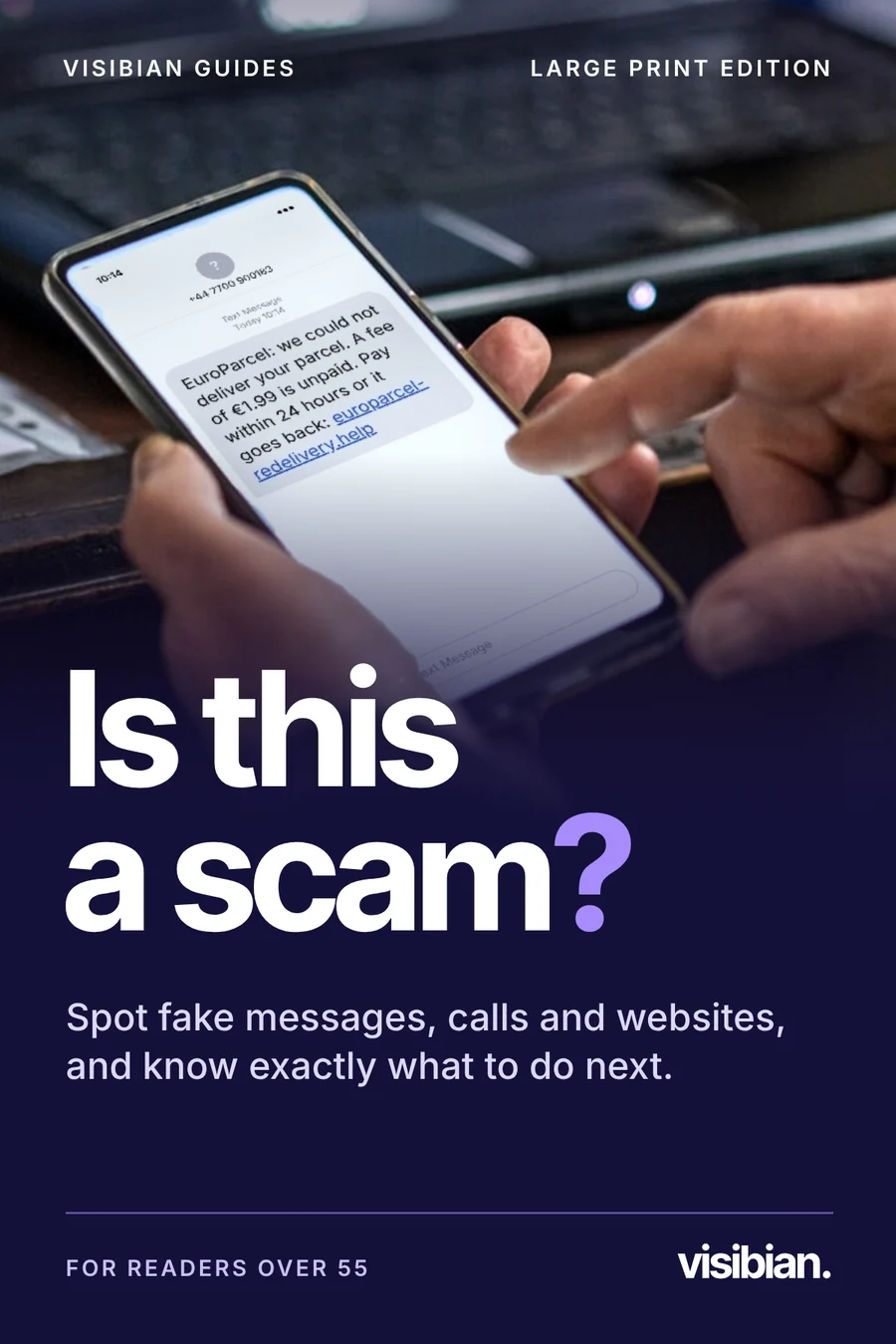
people in the EU aged 55 and over say they have been a victim of online fraud
EU Agency for Fundamental Rights [2]Is this a scam?
A text about a parcel. A call from "your bank". A pop-up that says your computer is broken. This guide shows you how to tell what is fake, and exactly what to do next.
- Full refund any time before it arrives
- Arrives by 31 December 2026
- Large print, as an e-book and a PDF to print
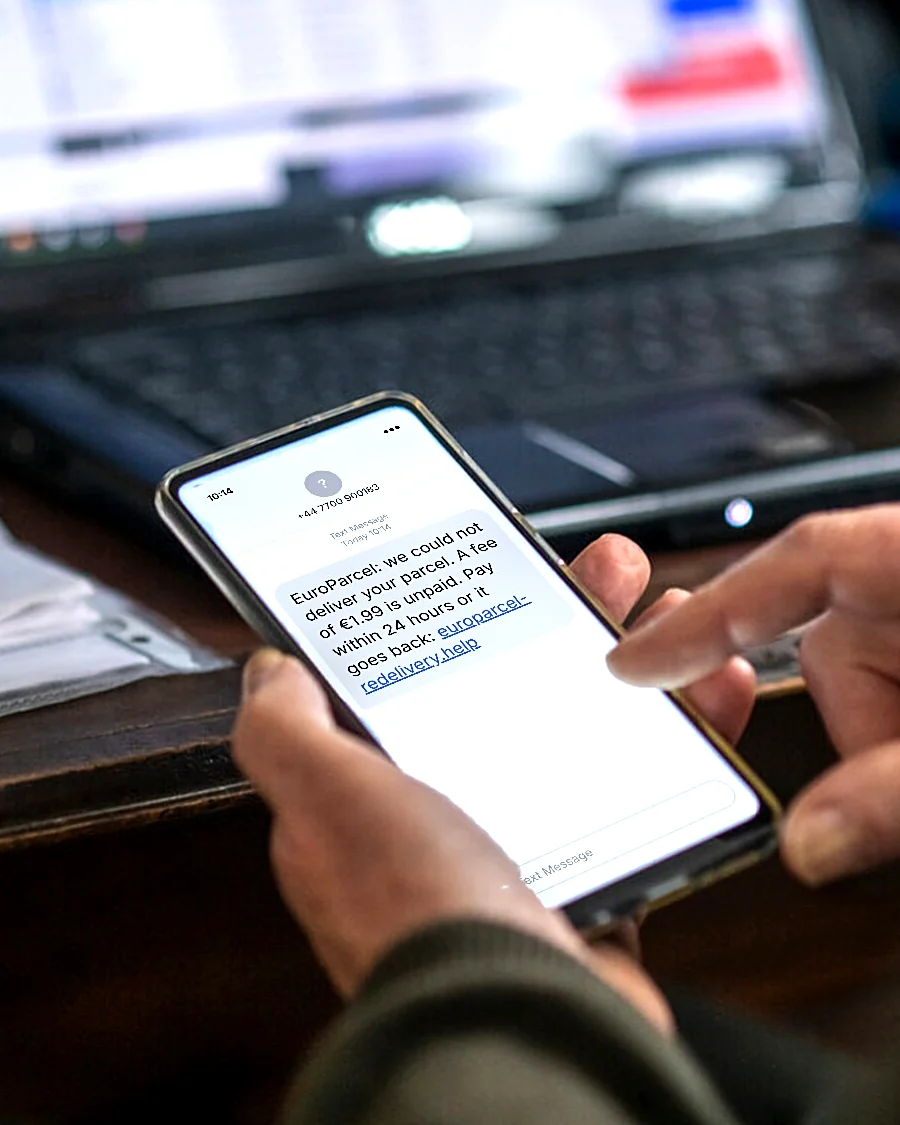
Three things are wrong with this message. Can you find them?
Fake messages and calls were the most reported crime among people over 60 in 2024 [1]. Tap anything that worries you. There is no time limit.
0 of 3 found
- Sign 1Not found yet
- Sign 2Not found yet
- Sign 3Not found yet
What to do: do not call that number. Call the one on the back of your bank card.
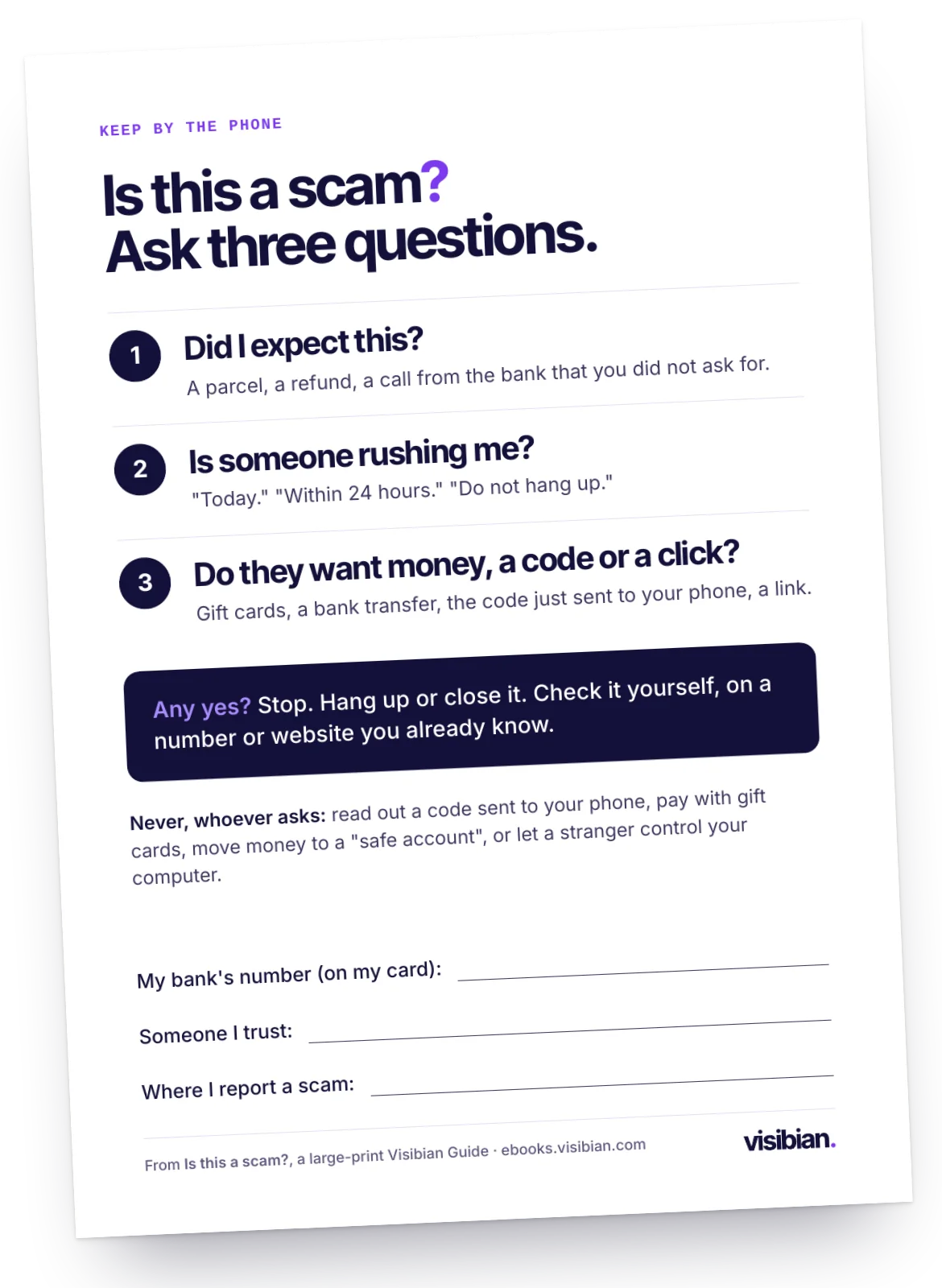
Three questions. Ask them every time.
You do not need to know every trick. Scams change every year; these questions stay the same. They follow the four signs of a scam that the US Federal Trade Commission teaches [3].
- Did I expect this?A parcel, a refund, a call from the bank that you did not ask for.
- Is someone rushing me?"Today." "Within 24 hours." "Do not hang up."
- Do they want money, a code or a click?Gift cards, a bank transfer, the code just sent to your phone.
If any answer is yes: stop. Check it yourself, on a number or website you already know.
Twelve short chapters. One scam in each.
Each chapter shows the scam the way it looks on your phone or computer, marks the warning sign, and ends with the one thing to do. All names and numbers are made up.
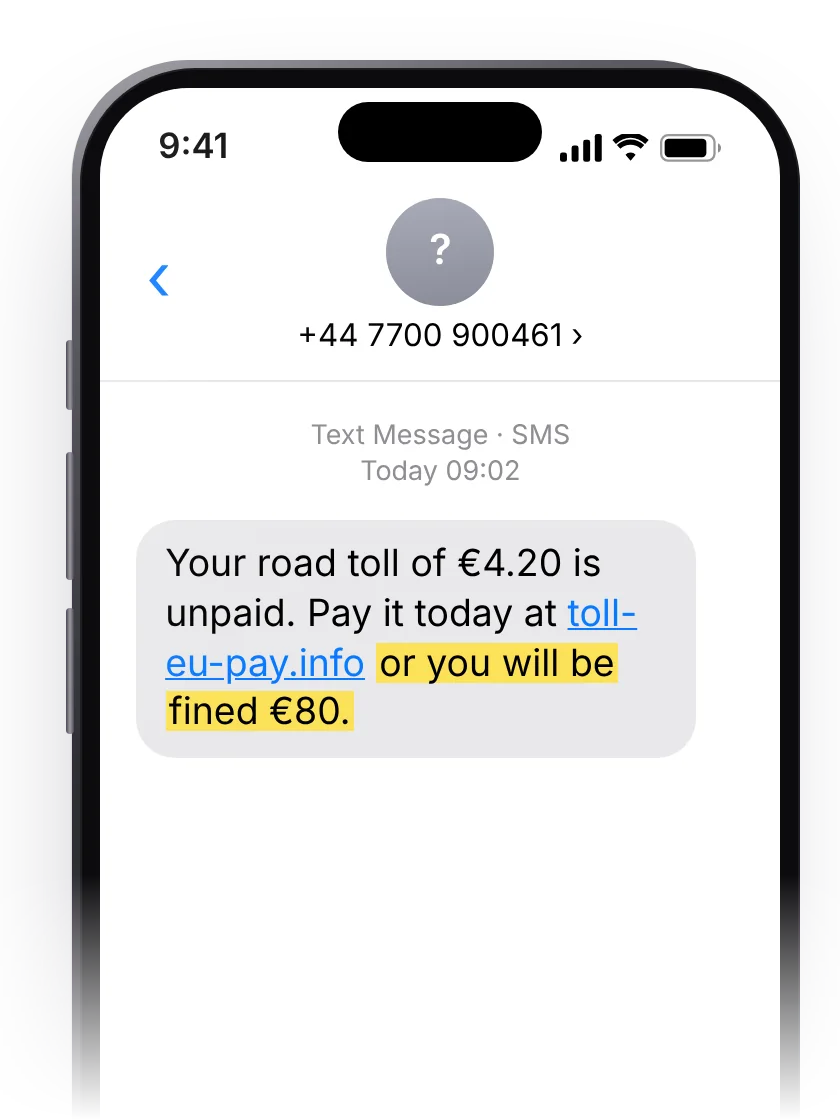
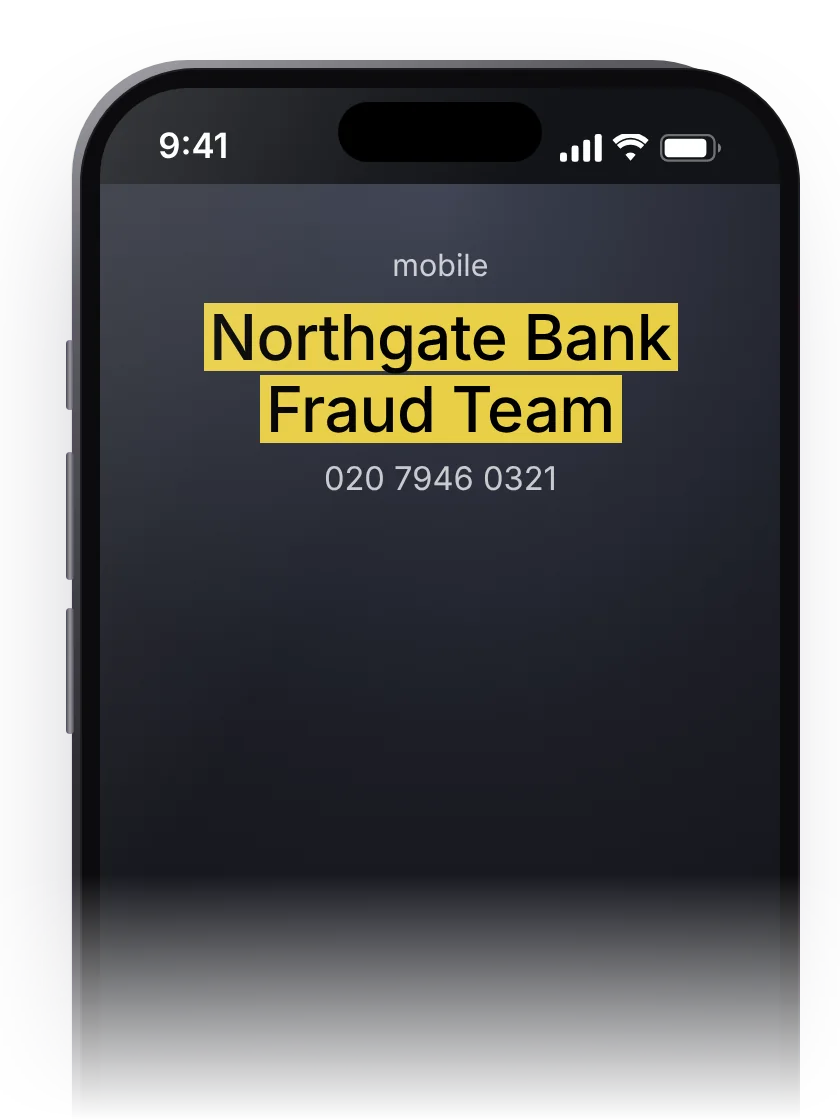
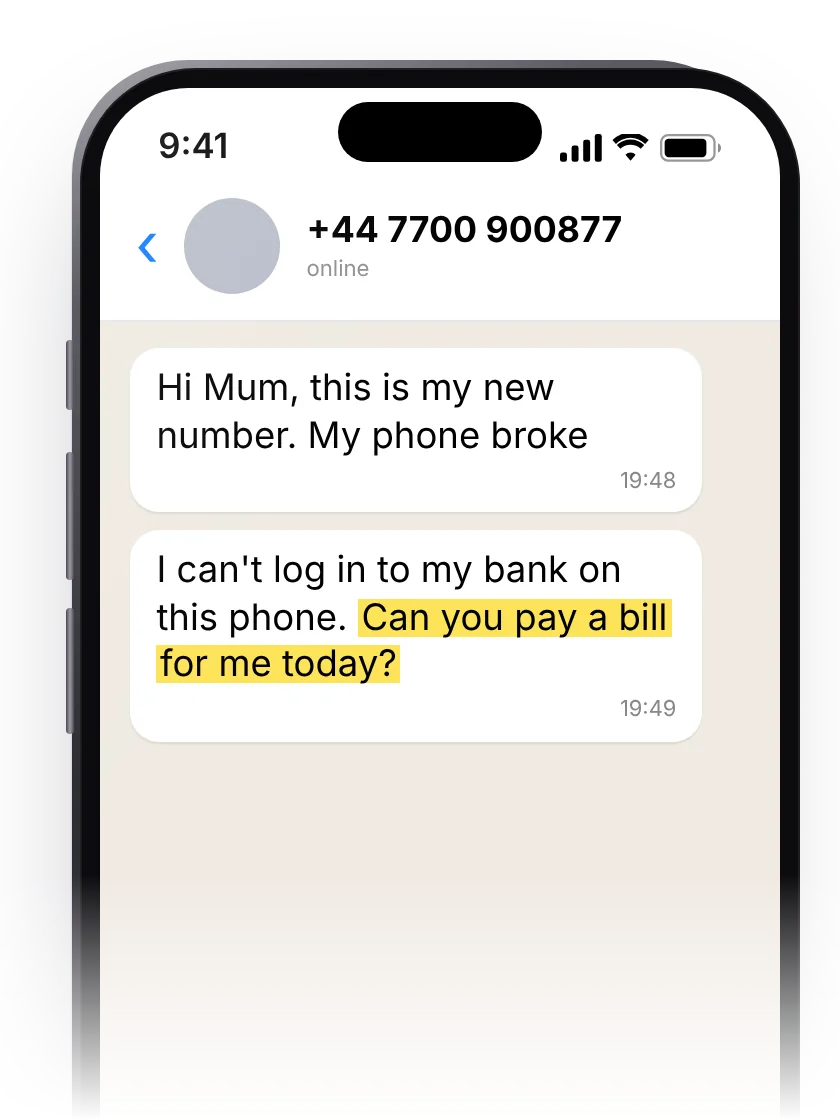
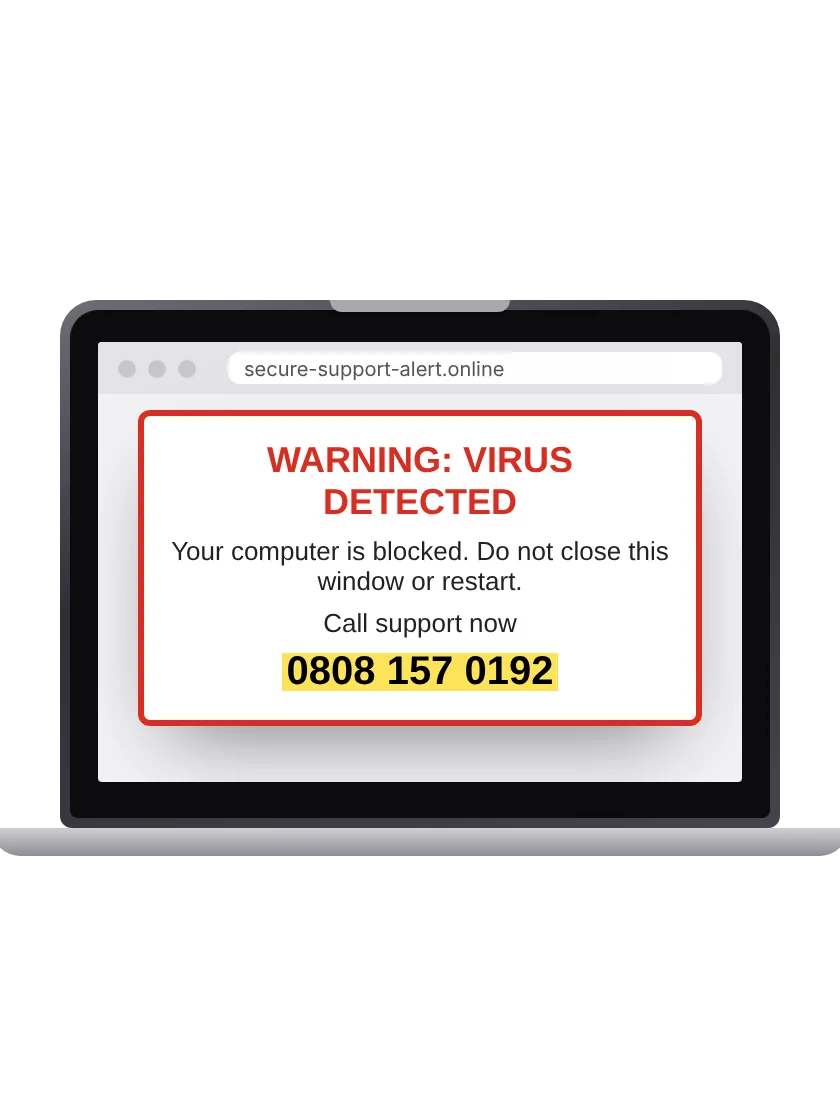
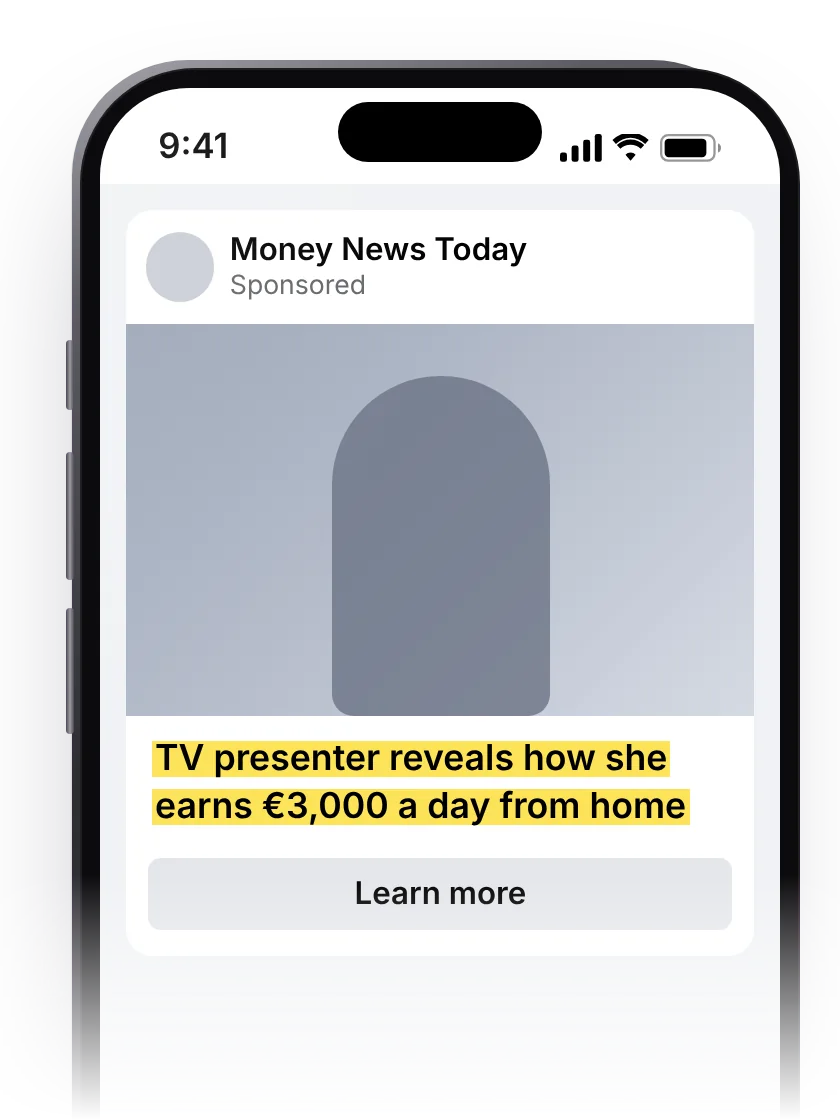
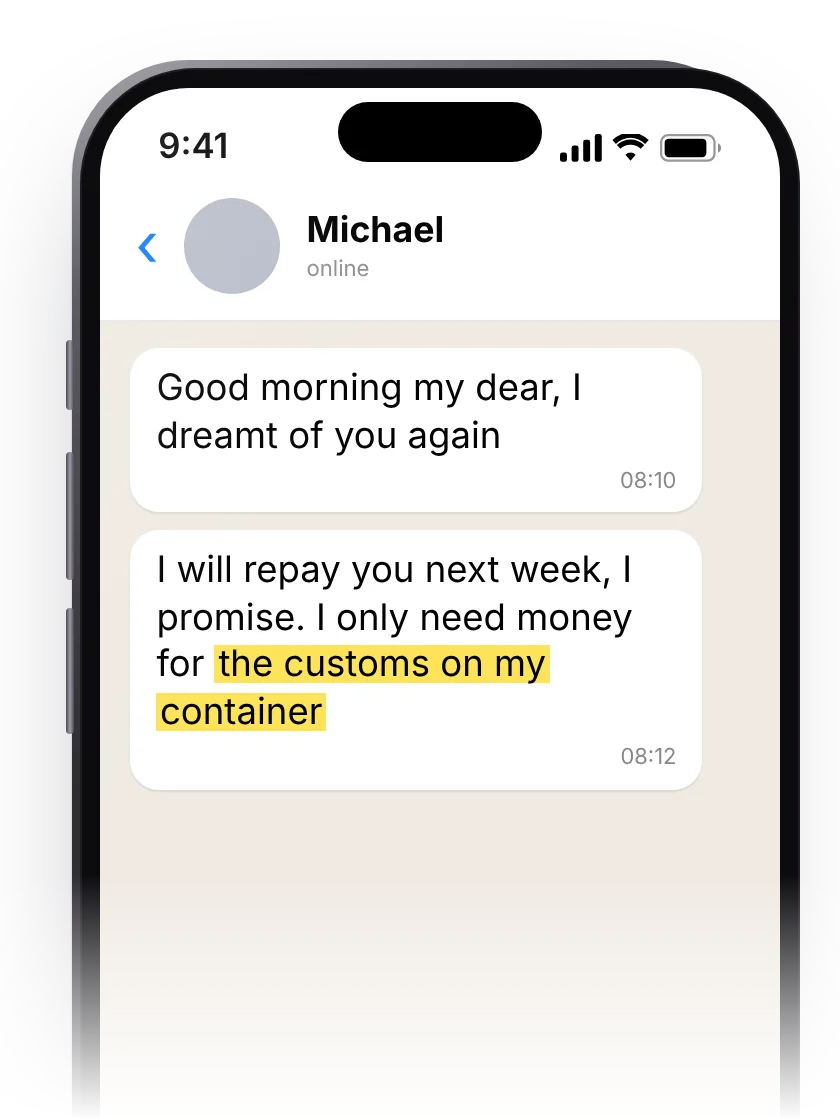
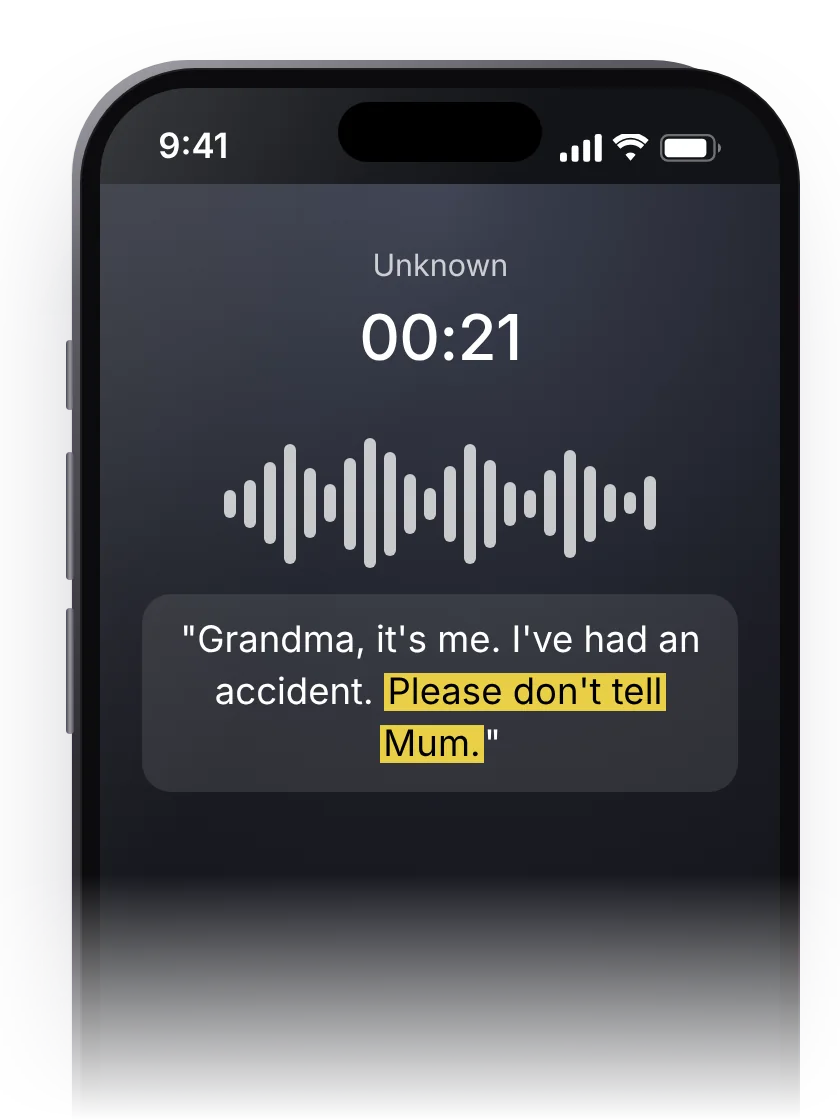
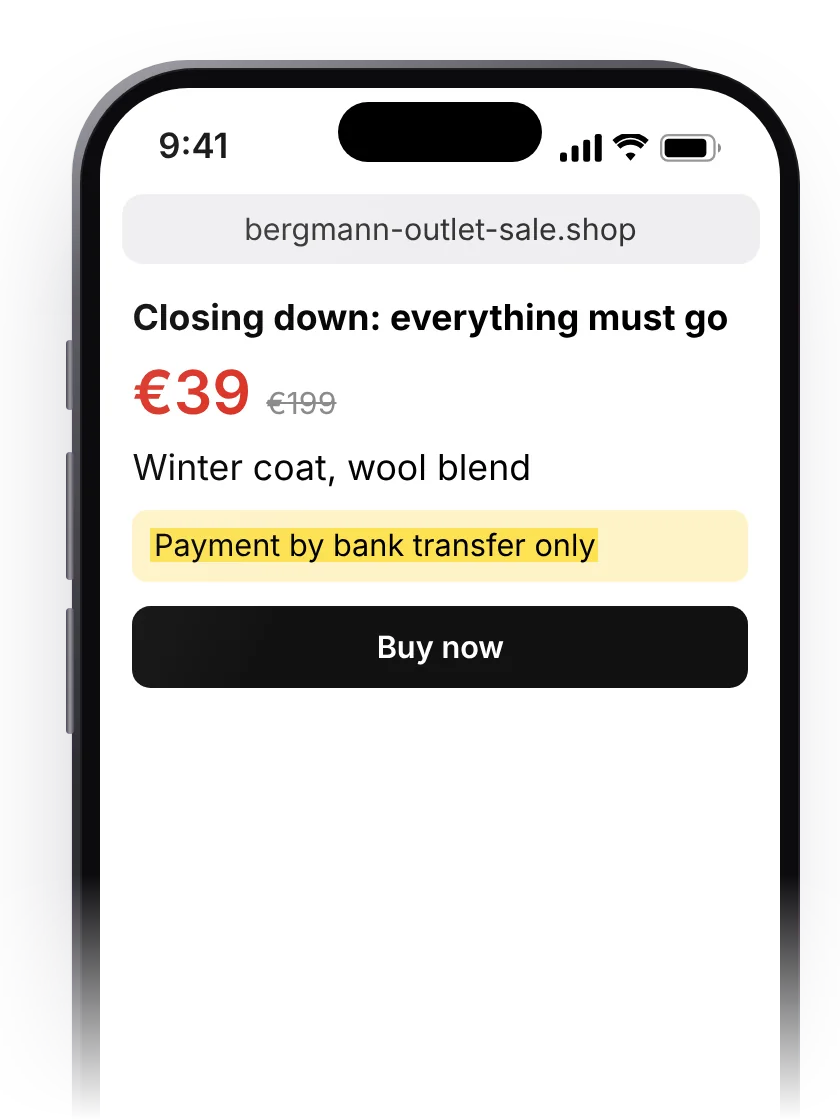
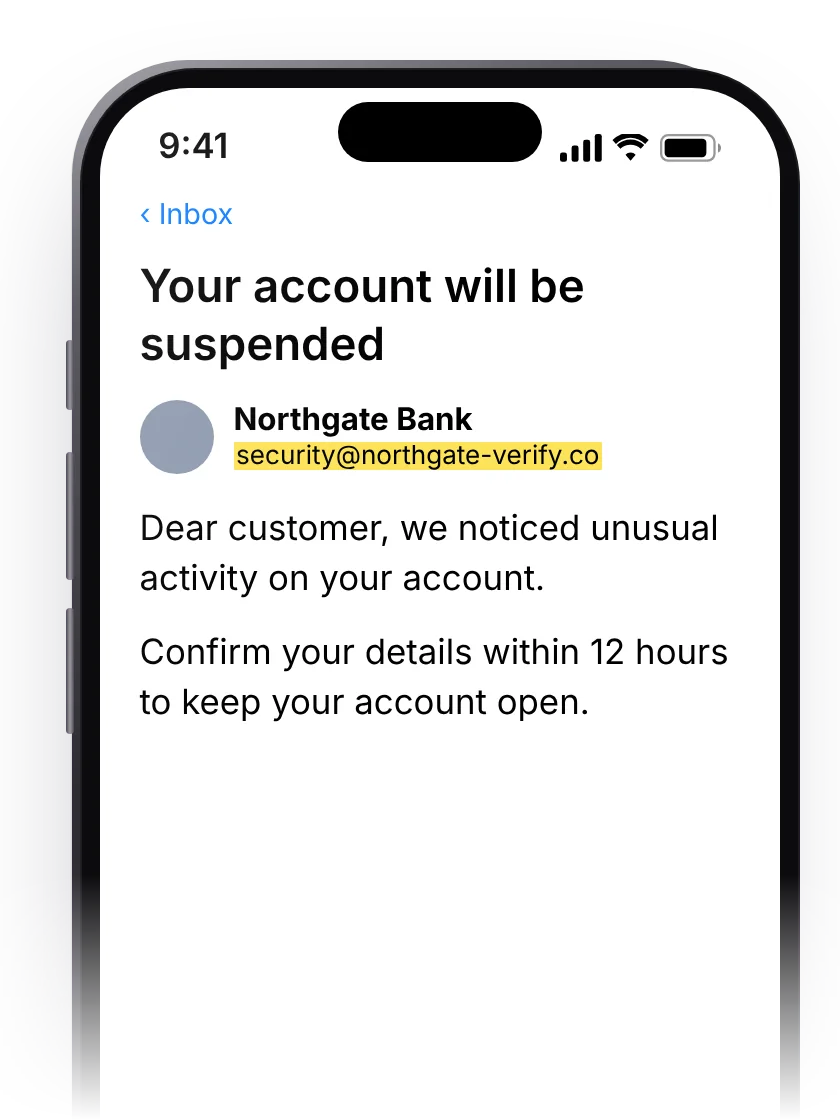
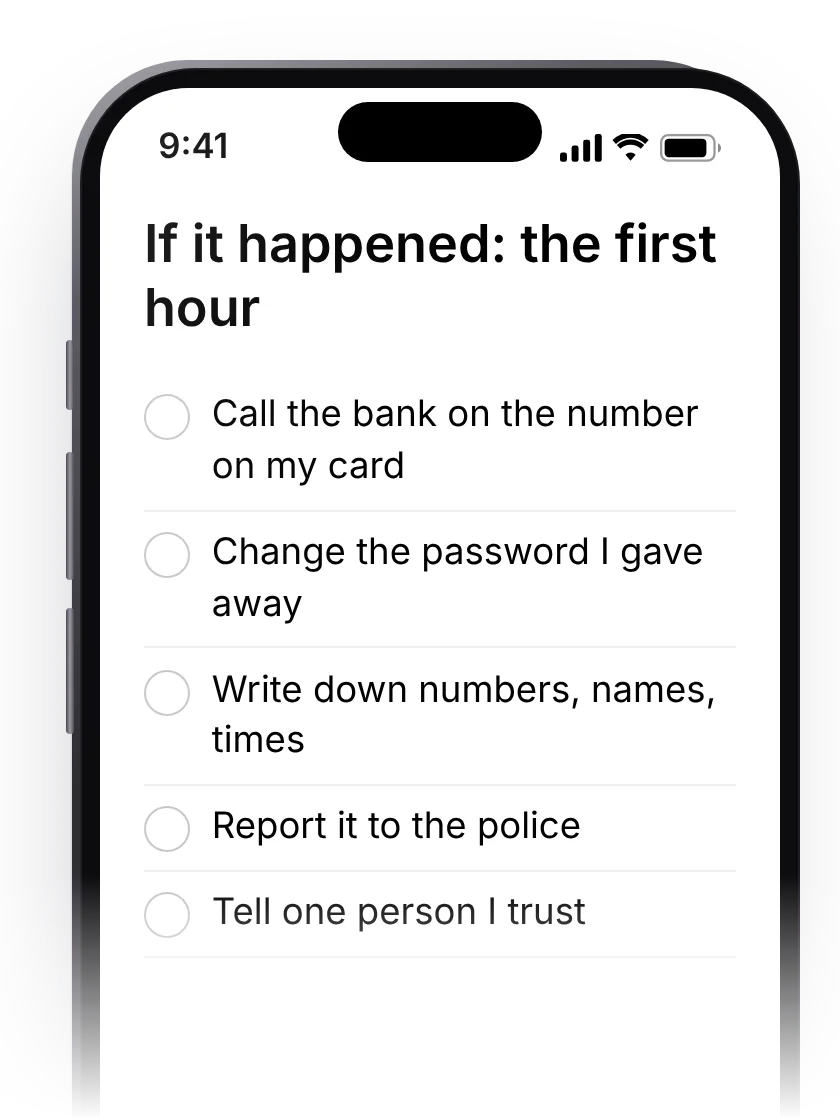
Plus chapter 1, the three questions, and chapter 12: a card for the fridge and where to report a scam in each EU country and the UK.
Big letters. One idea per page.



Read it in your armchair, or print it at home.
- Large printBig letters, short lines and plenty of space on every page.
- No jargonWords like "phishing" are explained once, or left out.
- Pictures firstEvery scam is shown the way it looks on your screen.
- Yours to keepAn e-book for any tablet, and a PDF for A4 paper.

Worried about a parent who answers every call?
A guide is easier to accept than a lecture. Tick "This is a gift" at checkout, add a note, and we email the guide to them the day it is ready. The refund promise is the same.
Pay now and get it first, or get your money back.
The guide is being written now. Here is exactly what you pay for and what happens next.
This is the pre-order price. From 1 January 2027 the guide costs $19.
- The full guide, as a large-print PDF and an e-book file
- The card for the fridge to print, today
- A short email on how the guide is coming along
- Free updated editions for 12 months, as scams change
You see the total before you pay. Card, Apple Pay or Google Pay, through Stripe. We never see your card number.
Pre-orders open in the coming days. Join the waitlist below and we will email you the day they open.
How the pre-order works
- TodayYou pay $14 and get a receipt by email.
- Until it arrivesShort emails on how the guide is coming along.
- By 31 December 2026The guide arrives in your inbox.
The small print, in large print
- You are paying in advance. The guide does not exist yet; we are writing it now.
- Changed your mind before it arrives? Write to us through the contact form or at [email protected], and we refund the full $14 within 5 working days. No reason needed.
- If it is late, meaning not in your inbox by 31 December 2026, we refund you without being asked.
- Who sells it: the company behind Visibian. Our address and company details are in our legal notice; our terms and privacy policy apply.
Not ready to pay? Get the card for the fridge, free.
Leave your email and we send you the printable card today, then one email when the guide is ready. No payment and no card details.
Fair questions, plain answers.
Is this a real guide, or another trick?
A fair question on a page about scams. It is a guide written by the team behind Visibian, a company in the European Union that studies what AI assistants and websites tell people.
You pay through Stripe, which handles payments for millions of businesses, so we never see your card number. You can have a full refund any time before the guide arrives, and our company details are in our legal notice.
Do I need to be good with computers?
No. If you can read a text message, you can use this guide. Every example is a picture, and every step is one short sentence.
Which countries is it written for?
Readers in Europe and the UK, in English. The examples use euros and pounds, and the last chapter lists where to report a scam in each EU country and the UK.
Can I have it on paper?
The guide is a PDF made for printing on A4 at home or at a print shop, and an e-book file for tablets and e-readers. A printed book may follow; people on the waitlist will hear first.
What if I have already been scammed?
Call your bank now, on the number on the back of your card, and ask them to stop any payment. Then report it to the police. You do not need this guide for that.
And you are not to blame: these crimes are run by professionals, and they catch careful, clever people every day.
How does the refund work?
Any time before the guide arrives, write to us through the contact form or at [email protected], and we refund the full $14 within 5 working days, with no reason needed. If it is not in your inbox by 31 December 2026, we refund you without being asked.
Will you share my email address?
No. We use it only to send what you asked for. Every email has a link to leave the list. We will never call you, and we never ask for bank details by email.
Who writes it?
The team behind Visibian. Before a chapter is final, a panel of readers over 55 reads it and tells us what was unclear. You can join the panel when you join the waitlist.
Know a scam when you see one.
Twelve short chapters, a card for the fridge, and a full refund if you change your mind before it arrives.
Sources
- Federal Bureau of Investigation, Internet Crime Complaint Center, 2024 IC3 Annual Report, April 2025: complainants aged 60 and over, 147,127 complaints and $4.885 billion in losses, up 46% and 43% on 2023; phishing and spoofing the most reported crime type in that age group (23,252). Read 11 November 2026.
- European Union Agency for Fundamental Rights, Victims of online fraud, 29 May 2026: 24% of people in the EU have been victims of online fraud; 19% of people aged 55 and over.
- US Federal Trade Commission, How to avoid a scam: scammers pretend to be from an organisation you know, say there is a problem or a prize, pressure you to act immediately, and tell you to pay in a specific way.
- Photographs: Centre for Ageing Better, age-positive image library, CC0 1.0. The people shown are not readers or customers and do not endorse this guide. The text on the phone was added; the sender and web address are made up.